
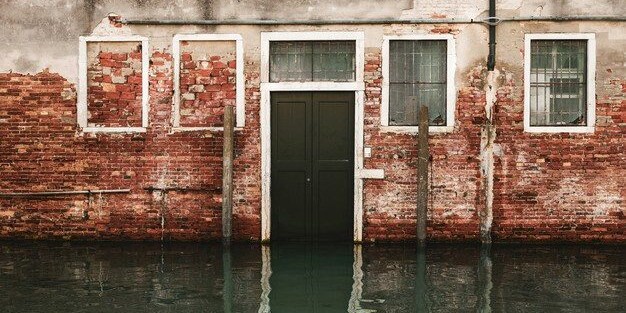
Just because you live in a state that usually doesn’t experience a huge amount of rain, don’t think your basement is safe from flooding. The truth is any basement is prone to flooding regardless of if you live in a high-risk flood area or not.
Basement floods can cause extensive damage to your home as well as the items inside. It can ruin your carpet, photo albums, furniture, walls, and even supporting beams, compromising your house’s structural integrity in the process.
The water can even lead to mold, a serious health risk for people with serious mold allergies. People with mold allergies may experience respiratory difficulties, skin rashes, and red eyes just by touching or inhaling mold spores.
All in all, an unexpected flooded basement in North Carolina is a cause for panic, even for the most strong-willed homeowner.
What Causes Flooding in Basements?
Basements are highly prone to flooding because they’re built partially, if not fully, below ground level. As such, most flooding happens during rainy seasons or as a result of snowmelt as spring comes along. But flooding isn’t only caused by natural causes. Drainage problems can also cause a pool of water to accumulate in your basement.
Understanding the reasons behind why your basement is flooding can help you mitigate these disasters in advance. Let’s take a look at some of the top causes of basement flooding.
1. Drainage Tile Failure
Every house should have a built-in drainage system around the structure to help ensure the water doesn’t penetrate the building. However, if the drainage tile system hasn’t been installed properly, the basement will likely flood, especially after heavy rainfall.
2. Improper Basement Sealing
The basement tiles and foundation need to be sealed properly during the construction of a house. This is especially important in places prone to severe weather characterized by hurricanes and heavy rainfall. Moreover, homes in areas prone to heavy snow face the risk of melting snow seeping into a poorly sealed basement.
As such, make sure the sealing is done correctly to make sure water doesn’t seep into the basement.
3. Poorly Installed Downspouts
The function of the downspout is to transfer water away from your home and its foundation. Downspouts should be directed toward the street and positioned at least five feet away from the basement wall to avoid any water seeping through the cracks.
How To Fix Basement Floods in North Carolina?
1. Switch Off Your Utilities
A basement flood will do more than just damage your property; it can also pose a serious threat to you and your loved ones. If you wake up in the morning and go downstairs to find that your basement is flooded, you should first turn off any utilities associated with your basement. This could be your electricity, gas, or water.
If you’re unsure how to go about the process, call a professional before entering the basement and start cleaning.
2. Get Rid Of the Water
Once you’ve switched off your utilities, it’s time to focus on clearing the water from the basement. There are various tools you can use depending on the amount of water. A pump is a good machine that can help you clear the water. After you’ve removed most of the water, you can use a mop and some towels to clean the rest.
You must remove the water as fast as you can. The longer the water stays there, the more the damage.
3. Dry Any Damp Items
To effectively dry your basement, you need to make sure there aren’t any wet items left behind. Remove everything that got wet such as boxes, furniture, or bookshelves, and put them in a location where they can dry out, such as your backyard or garage.
Feel free to use a fan or dehumidifier to help dry the items.
How To Prevent Basement Flooding
Whether you’ve dealt with basement floods before or not, the best way of dealing with a flooded basement is to prevent it from happening altogether. After all, it’s better to be safe than sorry.
Here are a few measures you can put in place to avoid a basement flood.
1. Inspect Your Lawn
An excellent place to start is by inspecting if your lawn is correctly graded after a heavy downpour. A well-graded yard should channel all the water away from your home.
If you find pools of water collecting around your foundation, then there’s probably an issue with your drainage. Consider installing a rain garden, green roof, or diverting your rain spouts to avoid the flooding from happening.
2. Check Your Gutters
Cleaning out the gutters is a chore nobody enjoys doing. However, it is an important step if you’re going to protect your basement from flooding. Gutters redirect water flowing from your roof safely away from your house, so you need to make sure they’re clean.
Leaves and sticks tend to gather inside gutters during fall and can easily cause a blockage that will prevent your gutters from draining correctly.
3. Make Sure Your Sump Pump Is Well Maintained
A sump pump is a vital tool for keeping one’s basement dry. If you already have installed it, make sure it’s well-maintained, clean, and working in perfect condition before a heavy storm. Confirm if the check valve is working to ensure water isn’t flowing back into the machine.
Reach out with Reliable Restorations® Today!
A flooded basement can cause a real mess. Wading through soggy boxes of hoarded items, a soaked carpet, sopping sofas, and floating food bowls is not a particularly enjoyable experience for any homeowner.
If you’ve suffered a flooded basement, try and make sure you find out exactly what caused it. You can’t find a permanent solution if you don’t clearly understand the underlying problems.
The best way of avoiding basement flooding and the damage that comes with it is to be proactive. But if you do experience flooding in your basement, you should reach out to Reliable Restorations®.
Reliable Restorations® specializes in drying and dehumidifying houses and buildings after water damage. Give us a call at 704-909-7616, so we can help.